Industrial labels provide essential information that ensures the safety and proper use of a product, adhering to current regulations and standards. A product label offers details about the manufacturer, usage instructions, safety precautions, and composition, helping to prevent risks and ensure proper handling in both workplace settings and for consumers. Additionally, it facilitates traceability in case of issues or recalls and promotes transparency, allowing users to make informed and responsible decisions.
A product label must contain various elements to comply with legal regulations and ensure adequate safety and information. Although specific requirements may vary depending on the country and product type, an industrial label should generally include the following key elements:
- Name: Clear identification of the product and brand.
- Name and Address of Manufacturer or Distributor: Contact information of the responsible party, including their legal name, fiscal address, phone number, and website.
- Batch or Serial Number: To facilitate tracking, recalls, and quality control.
- Manufacturing or Expiration Date: To guarantee freshness and safety, particularly in perishable or consumable products.
- Usage Instructions: Guidance on correct and safe product use, which varies depending on the product type, such as medicines, cleaning products, or consumables.
- Languages: In Mexico and the U.S., labels must be in multiple languages or the official language of the country where the product will be sold.
- Safety Precautions: Warnings about potential risks and safety measures, e.g., “Keep out of reach of children” or “Consult your doctor.”
- Composition or Ingredients: Detailed information on product components, especially important for chemicals or foods, including weight, net weight, or volume for liquids.
- Regulations and Certifications: Any certification symbols for quality, safety, or regulatory compliance according to country and sector standards.
- Registration or Authorization Number: For regulated products like medicines or foods, this number indicates government approval by Mexican authorities.
- Barcode: May also include a QR code for easier identification and handling at sales points.
- Recycling and Disposal Information: Instructions on environmentally responsible disposal of the product and its packaging.
- Highlighted Product Claims: For example, “Low gluten,” “Vegan-friendly,” supported by tests and compliant with applicable regulations.
- Care or Use Symbols: To ensure safe handling, transport, and storage, e.g., “Fragile, keep out of direct sunlight.”
A well-designed product label is essential for protecting customer health, safety, and confidence, and for ensuring compliance with industrial regulations. Including this information is crucial not only for legal compliance but also for protecting consumers’ physical health and safety, ensuring the product’s safe and effective use.
Safety and Compliance with Labeling Solutions
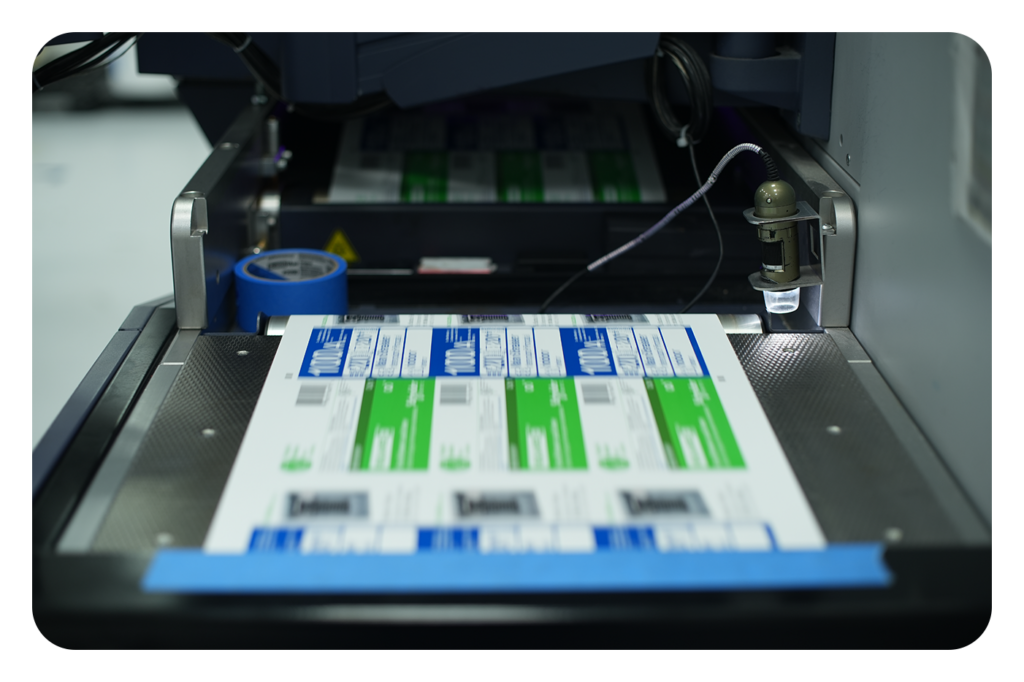
At Taylor, we understand the importance of industrial labels not only for product identification but also for regulatory compliance and user safety. Our labeling solutions comply with both international and local regulations, ensuring that each label contains key information such as usage instructions, composition, safety precautions, and more, providing trust and transparency to consumers and operators.
With certifications such as ISO 9001, IATF 16949, ISO 14001, SGS, and WCA, and standards compliance including UL, ANSI, and CSA, our custom labels are designed to meet the requirements of the most demanding sectors, including HVAC, electrical, electronics, and automotive. Additionally, we integrate technologies such as barcodes and QR codes that facilitate traceability, helping companies maintain control over the product lifecycle, minimize risks, and meet the highest standards of safety and regulatory compliance.